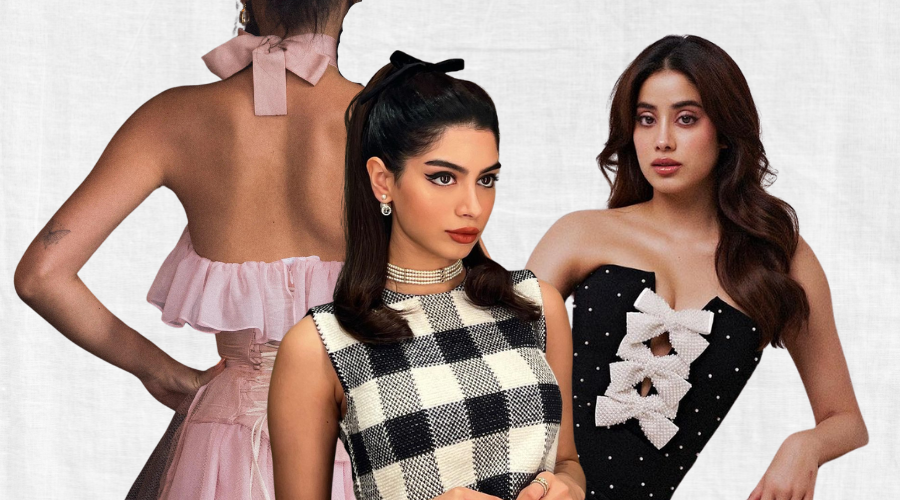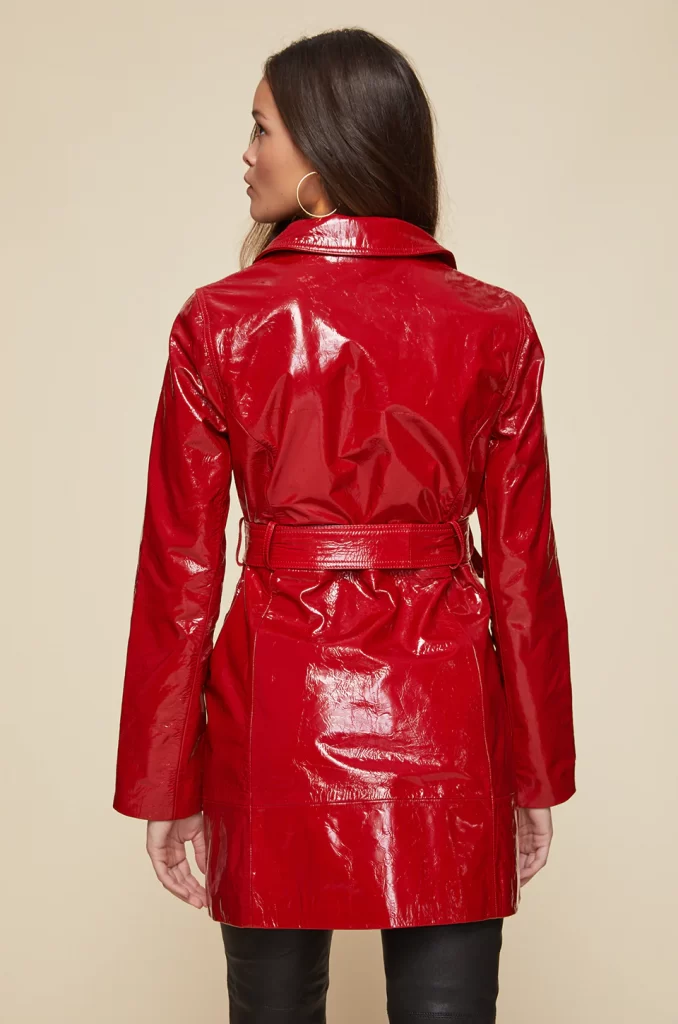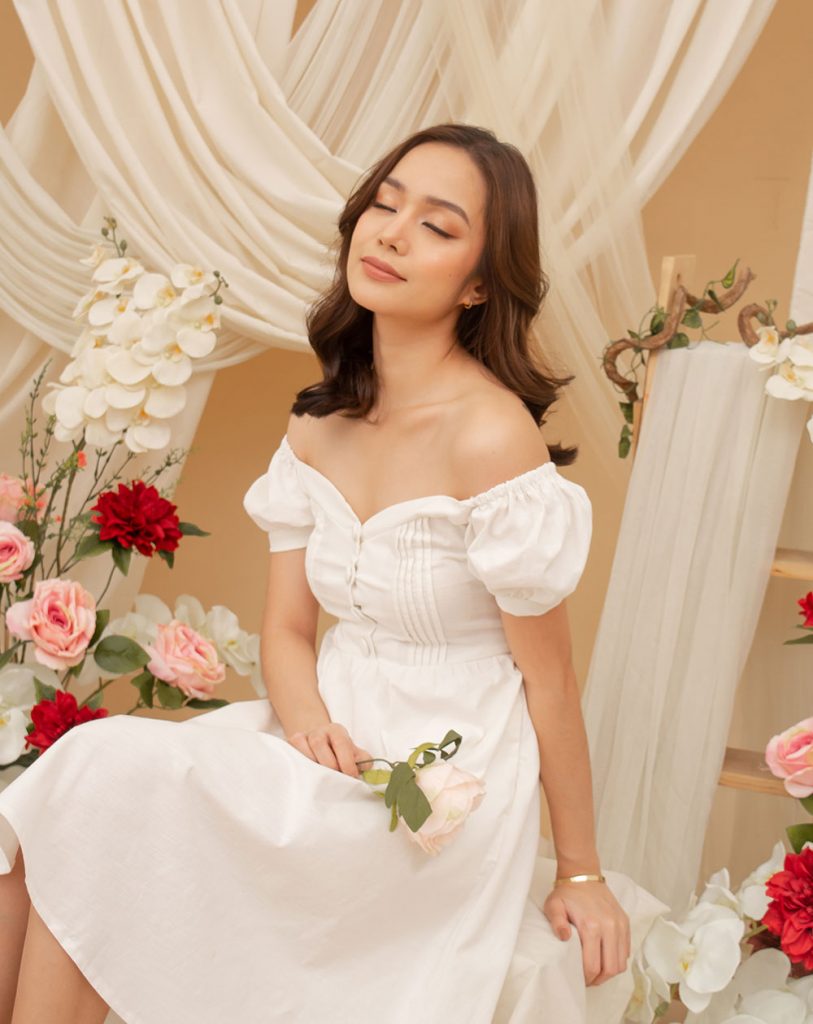
Fashion changes along with the changes of society. What was cool with one generation might be the complete opposite of cool for the next generation, but the generation after that might long for what was cool before instead in an infinite loop.
Or the new generation might come up with another fashion sense of their own, like with punks being anti-fashion but ironically their deliberately ugly fashion instead became the vogue of their particular era.
A Quick Look at Fashion throughout History
The women’s fashion boom from the 1980s and 1990s can be felt all the way to the New Millennium, the 2010s, and the 2020s. They also have a common theme of women’s liberation and empowerment, from the shoulder pads of the Nineties to the minimalistic pencil skirts of the New Twenties.
Thanks to punk rock and an anti-fashion sentiment to the more fashionista-focused 1970s and 1960s, fashion from those decades broke rules and had no guidelines.
It’s an Arms’ Race of Art and Creativity
Fashion evolves along with individual identities. On that note, why does women’s fashion always change? Why does female fashion in particular change so quickly?
It’s a tale as old as time from Ancient Rome and Egypt to the fashion meccas of New York, London, Milan, and Paris. Women’s fashion is many a fashion designer’s (capitalistic) canvas to express themselves in an individualistic level and a societal level.
Defining Each Generation and the Evolution of Women’s Fashion
Fashion helps define one generation from another. Older fashions become “old-fashioned”, so to speak. As you grow older, what was current becomes classic or retro. It’s part of growing up and maturing into adulthood.
You too won’t be able to take the newer fashion and music trends of another generation since they’re usually deliberately antithetical to the fashion of the generation before. As you age, fashion evolves because a new generation of youth will emerge to take your place.
Is Women’s Fashion Nebulous? No, It’s Cyclical!
Women’s fashion is more about finding new trends to chase after the ever-changing standards of beauty from generation to generation or even from year to year to feed a multibillion-dollar fashion industry, if you were to look at things through a cynical lens.
However, perhaps the truth behind the evolution of women’s fashion simply roots from women wanting to always evolve and improve upon themselves every season or even daily, when they have to choose their outfit for the day.
They embrace change and this is one facet of their lives they’re able to express this acceptance. With maturation and evolution comes evolution instead of stagnancy.